FCCE signals support for AGT's Digital Genetic Passport.
This initiative brings together technology, high-genetic-value livestock farming, and foreign trade in a new agenda of trust for Brazilian agribusiness.

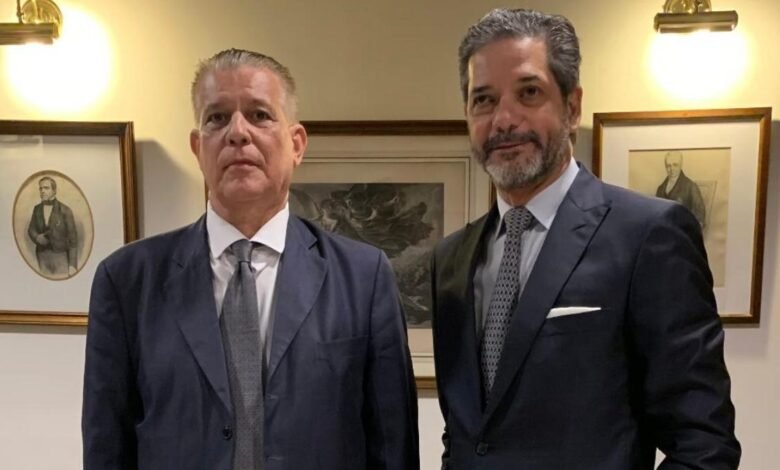
A Federation of Foreign Trade Chambers — FCCE signaled support for the initiative of Digital Genetic Passport, developed within the scope of AGT — AG Genetics Token. The proposal combines technology, traceability, and document security to enhance the value of Brazilian bovine genetics, especially in operations involving animals, embryos, and high-value genetic materials.
The initiative of Digital Genetic Passport It was presented to the president of FCCE – Dr. Adair Roberto Carneiro – by Vilton Lima, [Name], a leader connected to agribusiness with institutional involvement in business councils and commercial relations. The conversation opened up space to bring the project closer to an important environment for Brazilian foreign trade, made up of chambers of commerce, businesspeople, and leaders who work to connect Brazil with other markets.
For AGT, the positive signal from the Federation represents a significant step. Not only because of the institutional weight of FCCE, but also because the issue of traceability is gaining increasing importance in commercial relations. In agriculture, especially when it comes to genetics, information needs to be clear, organized, and secure.
Digital Genetic Passport strengthens the traceability of bovine genetics.
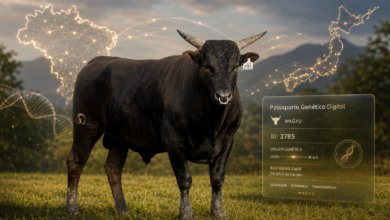
O AGT Digital Genetic Passport It was created precisely to meet this need. The idea is to gather, in a digital environment, the main data on genetic origin, certificates, laboratory records, reproductive history, technical documents, and information associated with animals, embryos, and other genetic materials.
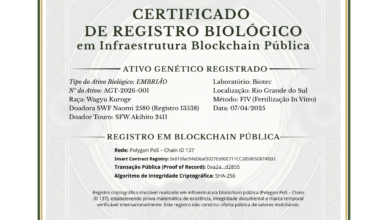
An example of this application can already be seen in the case of First Wagyu Kuroge with AGT Digital Genetic Passport, which demonstrated how digital documentation can help to enhance the value of origin, lineage, and traceability in animals of high genetic importance.
These documents can be protected by cryptographic resources and recorded on the blockchain, creating an additional layer of verification. In practice, this allows you to check if a file remains identical to the originally recorded version. If someone alters the document later, even in a small detail, the difference can be identified.
This type of security is especially important in businesses involving bovine genetics. A high-value animal carries more than just productive weight. It carries history, lineage, investment, reputation, and expectations of results. Therefore, the documentation accompanying this animal must reflect the value it represents.
The initiative has been built upon the joint efforts of Clesio Landini e Vilton Lima. Vilton Lima works on institutional coordination, bringing the project closer to leaders in the productive sector, business entities, and environments linked to foreign trade. Clesio Landini contributes to the conceptual, strategic, and technological structuring of the initiative, connecting traceability, blockchain, data governance, and innovation applied to agribusiness.
In international trade, this type of solution can make all the difference. When a buyer evaluates an animal, an embryo, or specific genetic material, especially in an international transaction, it's not enough to receive a declaration of origin or a set of loose files. Organized documentation, a verifiable history, and assurance of information integrity are essential.
The rapprochement between FCCE and the Digital Genetic Passport This reinforces that path. By bringing the Digital Genetic Passport to the environment of foreign trade chambers, AGT expands the possibilities for dialogue with markets, associations, investors, and institutions interested in solutions capable of providing greater security to Brazilian agribusiness transactions.
Brazil is already recognized for the strength of its livestock industry and the quality of its producers. Now, it also needs to advance in how it organizes and presents its data. Brazilian bovine genetics has value, but this value grows when accompanied by reliable, traceable, and easily verifiable documentation.
The project also aligns with the broader vision of From Salt to Soil, which understands agribusiness as an integrated system. Soil, animal nutrition, genetics, management, productivity, sustainability, and information are all part of the same logic. Producing better also means recording better, proving better, and communicating better.
More than just a digital tool, the Digital Genetic Passport proposes a new way to organize trust in agriculture. It transforms scattered documents into structured information. It transforms technical records into verifiable assets. And it helps transform genetics into traceable assets.
In an increasingly demanding market, origin and transparency are not just details. They are part of the value.
The Digital Genetic Passport was created with this mission: to protect information, enhance the value of bovine genetics, and contribute to Brazil's progress in traceability applied to agribusiness.
About the authors
Clesio Landini He is a professor, researcher, consultant, and co-creator of the "From Salt to Soil" project. He works on the integration of strategy, innovation, artificial intelligence, traceability, blockchain, and governance applied to agribusiness.
Vilton Lima It is institutional leadership linked to agribusiness, with involvement in business boards, commercial relations, sustainability, promotion of animal genetics, and productive development.
 Portuguese
 English
 Arabic
 French
 Spanish