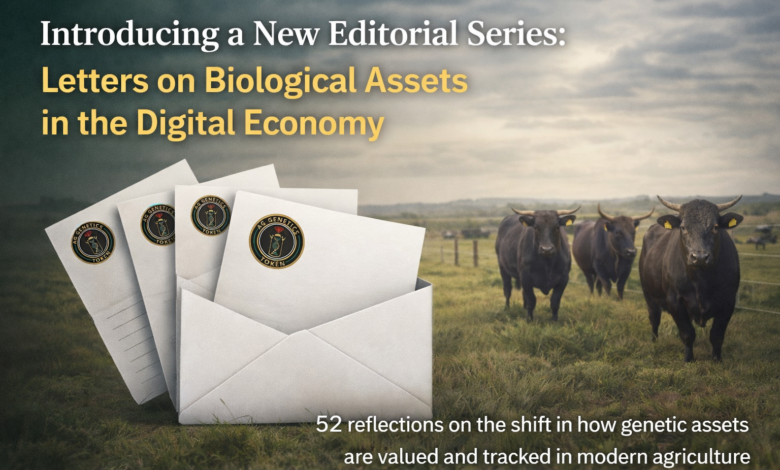
AG Genetics Token announces the series “52 Letters on Biological Assets in the Digital Economy”
Digital transformation is profoundly changing how economic value is perceived, recorded, and transferred.
In agribusiness, this change is beginning to affect a type of asset that for decades was treated merely as part of production: biological assets.
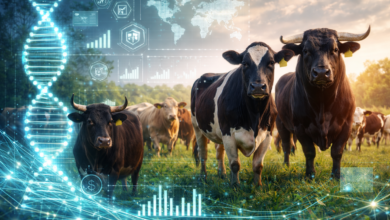
Animals, genetics, embryos, and other biological materials are gradually becoming part of a new economic environment marked by Traceability, digital infrastructure, and new ways of representing value..
It is in this context that the editorial series was born. “"Letters on Biological Assets in the Digital Economy"”, a new project for reflection and dissemination launched by AG Genetics Token.
A project to explain a silent transformation.
The series was created with a simple yet ambitious goal: to progressively explain how biological assets—especially in the field of animal genetics—begin to acquire new economic dimensions when connected to information systems, technical documentation, and digital infrastructure.
Throughout the letters, themes such as the following will be explored:
- the economic nature of biological assets
- the role of information in value creation
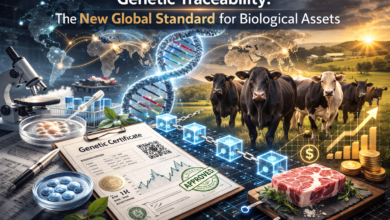
- the importance of genetic traceability
- the transformation of animal genetics into structured assets
- The impact of technologies like blockchain on asset documentation.
More than just technical texts, the letters were conceived as short and progressive reflections, which help the reader understand how agribusiness is beginning to integrate into the digital economy.
A journey in 52 letters
The series will consist of 52 letters, organized into thematic blocks that follow the evolution of understanding on the subject.
Among the first topics covered are fundamental issues such as:
- Why does an asset only begin to exist when it's possible to prove that it exists?
- The difference between owning something and being able to prove that it is yours.
- The silent problem of assets that the market can't see.
- When an animal ceases to be merely a means of production and becomes an asset.
These reflections help prepare the ground for more advanced themes that will emerge throughout the series.
From concept to concrete example
The debate about biological assets is not merely theoretical.
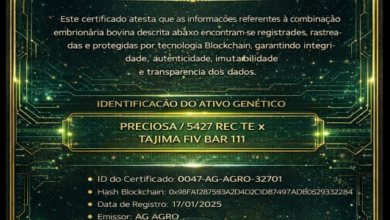
A practical example of this evolution is the documentary record of bovine embryos with superior genetics, which now have technical identification and formal traceability.
O Certificate No. 31327, For example, it documents the production of Wagyu Kuroge breed embryos through in vitro fertilization, including technical data such as donor, sire bull, and production method. CERTIFICATE 31327
This type of documentation represents an important step towards ensuring that biological materials can be treated not only as a productive input, but also as... structured assets within a broader economic system.
A topic that is beginning to gain global relevance.
The integration between genetics and digital infrastructure is not exclusive to the livestock sector.
In other areas of biotechnology, initiatives are already using blockchain to track and monitor genetic material throughout the entire chain of custody, including embryos, DNA, and other biospecimens. Eggschain Secures First Patent…
This movement indicates that we are facing a structural change: biological assets are becoming increasingly dependent on reliable information and record systems.
In agribusiness, this transformation is still in its early stages — but it is likely to gain relevance in the coming years.
An invitation to join us on this journey.
The series Letters on Biological Assets in the Digital Economy It was born with a simple purpose: to open a conversation about a topic that is beginning to gain traction in agribusiness.
Genetics, information, and technology are converging ever closer.
And this approach is likely to change how biological assets will be perceived, documented, and valued in the future.
Over the next few letters, we will explore these changes step by step.
No complicated jargon.
No ready-made formulas.
Just clear reflections on a transformation that has already begun.
The first letter will be published next week.
 Portuguese
 English
 Arabic
 French
 Spanish