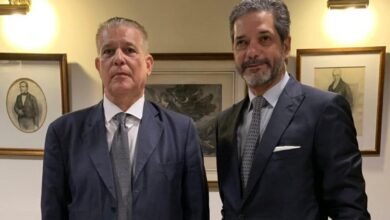
Vilton Lima and Saadia Lakehal in Canada: an important step forward for AGT's Global Digital Genetic Passport.

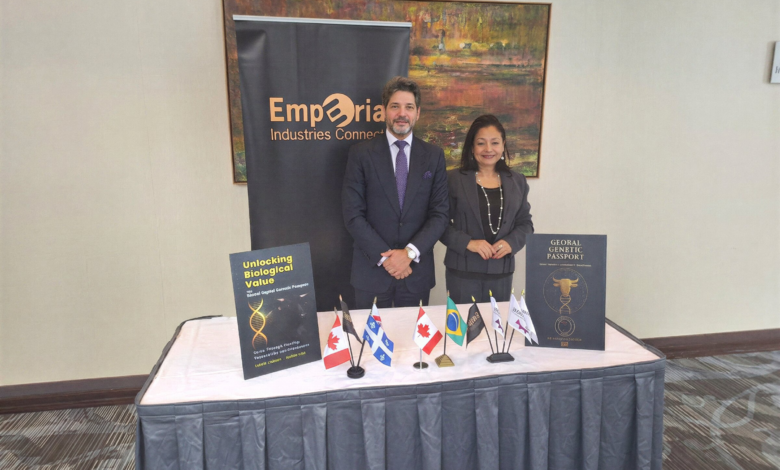
The meeting between Vilton Lima e Saadia Lakehal, no Centre Mont-Royal, Canada, marks an important step towards the international visibility of AGT Global Digital Genetic Passport — AG Genetics Token and the pre-launch of the book Unlocking Biological Value, of Clesio Landini e Vilton Lima. The value of this moment lies in what it demonstrates in practice: the discussion about the identity, origin, documentation, and value of biological assets is beginning to find space outside of its original context as well.
By creating space for the project launch and the initial presentation of the book, Saadia helps to bring this proposal to an international environment connected to innovation, industry, and business development.
This increases the visibility of an initiative that stems from a very concrete question: how to better present the value of biological assets through greater clarity, organization, and trust.
An invitation that deserves attention.
Saadia Lakehal has built a career closely linked to the connection between science, industry, innovation, and business development. At the helm of... Emperia Industries Connect Inc., works on initiatives focused on industry, agriculture, and inclusive innovation.
This context lends more weight to the invitation. It's not just about an institutional approach, but about opening a dialogue with someone who operates in environments where innovation, the market, and strategic relationships need to go hand in hand.
Why did this launch happen in Canada?
A natural question given this situation is: why present this proposal in Canada?
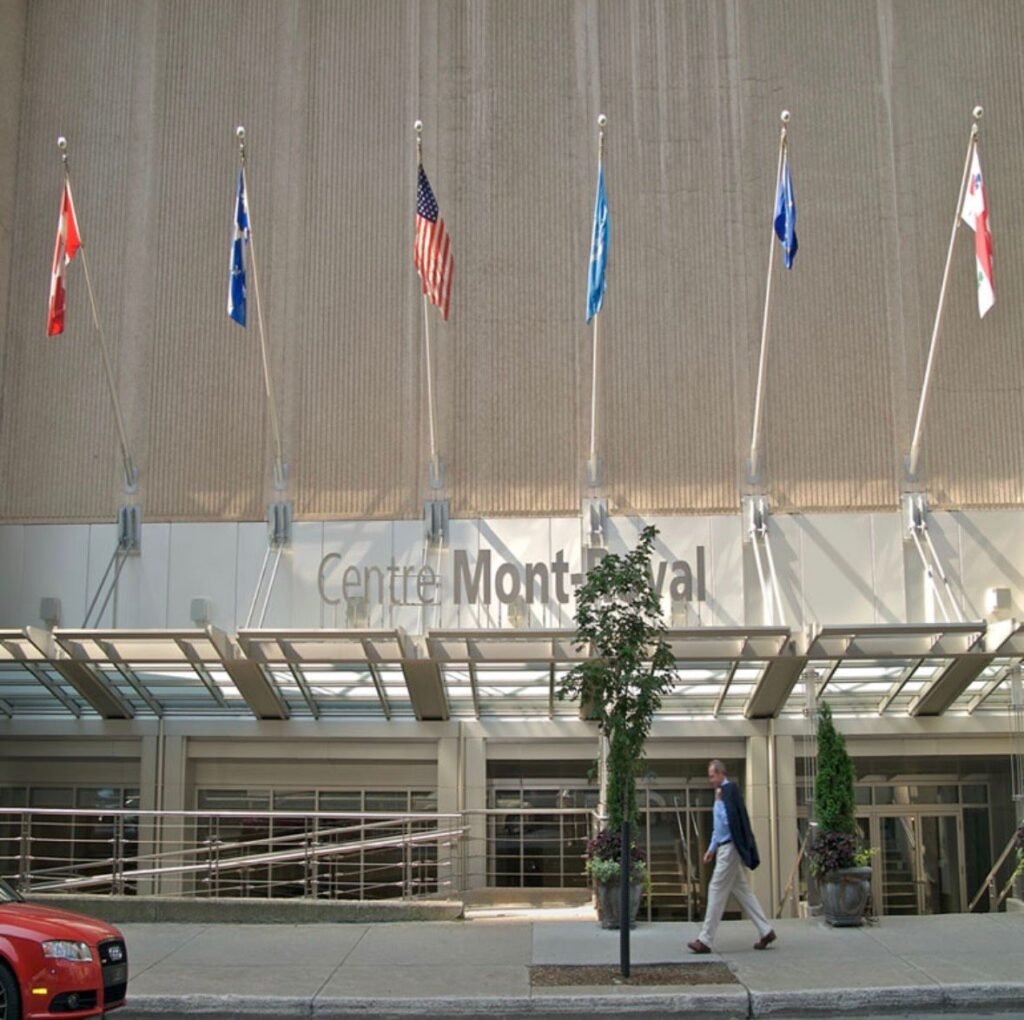
The answer is straightforward. The launch occurred in that context because there was an invitation made by Saadia Lakehal, a leader with experience in environments linked to innovation, industry, business development, and the connection between different sectors. This gave the project the opportunity to be presented in a space compatible with the nature of the proposal.
Furthermore, the AGT's Global Digital Genetic Passport It addresses issues that are not limited to the local market. Identity, origin, documentation, traceability, and value proposition are increasingly relevant issues in international environments. Taking this discussion outside of Brazil helps position the project at a broader level of dialogue.
In this sense, the launch in Canada should not be seen as random. It makes sense because it puts the proposal in contact with an international environment capable of better understanding the importance of clearer structures for the presentation of biological assets.
There is also a secondary symbolic element in this context. In 2023, Canada introduced a new passport model (the King's Passport) with enhanced security features and document validation. This is not the central reason for the launch, but it creates a subtle association with themes that are also present in AGT's Digital Genetic Passport proposal: identity, reliability, and information security.
What this meeting shows
This meeting brings together two different, yet complementary, profiles.
On one hand, there's the practical experience connected to the field, genetics, and how value is perceived in agriculture. On the other, there's the experience of those who work connecting projects, companies, and opportunities in international environments.
This type of approach is important because it helps to give more consistency to a topic that is still gaining ground. To move forward, this discussion needs a technical basis, but it also needs dialogue, visibility, and the ability to engage with the market.
The main issue: assets with value, but still poorly presented.
The agricultural sector deals with high-value assets. The problem is that this value is not always presented in the best possible way.
In many cases, there is still scattered information, poorly integrated documents, and difficulty in clearly demonstrating the identity, origin, and consistency of the asset. This does not mean that the value does not exist. It means that it is not always being presented with the structure that the market demands.
Today, in more discerning and demanding markets, it is not enough to simply state that an asset is unique. This must be demonstrated through organized information, reliable documentation, and clearer presentation criteria.
Where does the Global Digital Genetic Passport fit in?
It is at this point that the AGT's Global Digital Genetic Passport It gains importance.
The proposal is not about creating artificial value or relying on technological discourse. The objective is simpler and more serious: to improve how the value of biological assets is presented, supported, and understood..
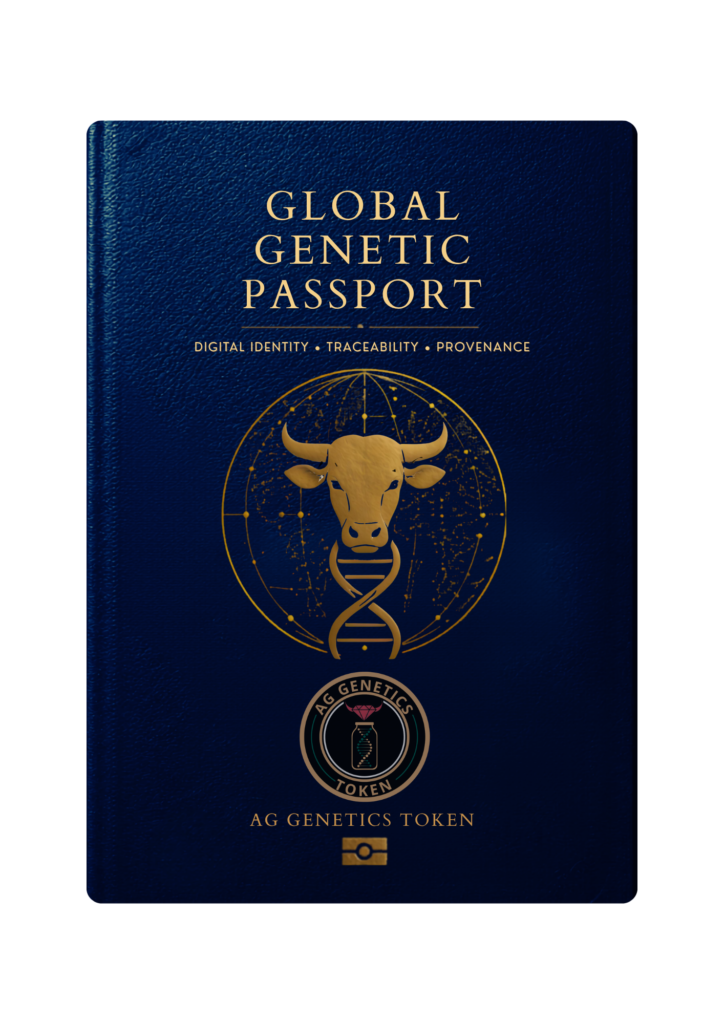
When an asset has a clearer basis for identity, origin, and documentation, the conversation with the market changes. The interpretation becomes more objective. Confidence tends to increase. And value ceases to depend solely on informal perception or commercial narrative.
It's not just about technology.
A common mistake in this type of discussion is to imagine that technology, on its own, solves the problem. It doesn't.
Without reliable documentation, organized information, and consistency in how the asset is presented, technology loses its power. It may attract attention, but it doesn't sustain value in a serious way.
Therefore, the AGT Digital Genetic Passport needs to be understood first and foremost as a structuring tool. Its role is to help better organize what already exists and make this database clearer for third parties.
The book is part of the same proposal.
The pre-launch of Unlocking Biological Value on Amazon, book of Clesio Landini e Vilton Lima, This reinforces the point that this discussion is not only happening in practice. It is also being organized in terms of ideas, language, and positioning.
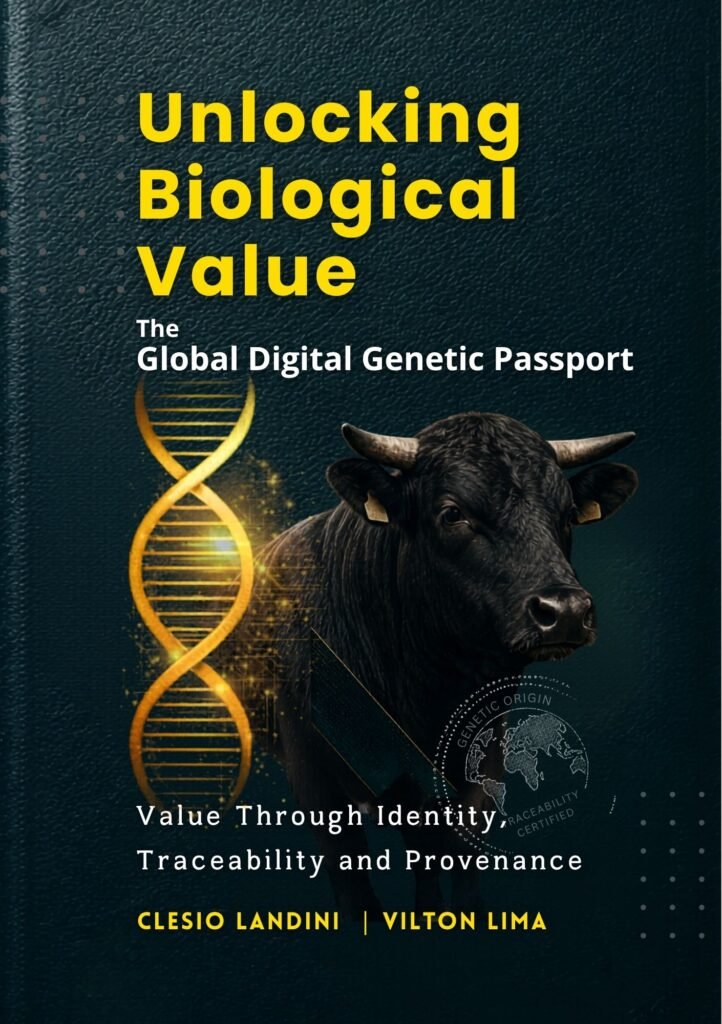
This is important because sectors progress better when they are able not only to operate, but also to clearly explain what they are doing and why it matters.
The book's title points precisely to this. Talking about "unlocking biological value" doesn't mean inventing value out of thin air. It means recognizing that, often, this value already exists, but is still poorly presented, poorly organized, or poorly communicated.
In this sense, the book helps to shape a vision that has been gaining ground: that biological assets need to be treated with greater economic clarity, a stronger informational basis, and better presentation capabilities to the market.
What this meeting reinforces
The collaboration between Vilton Lima and Saadia Lakehal helps to bring visibility to a topic that is still taking shape.
It also shows that this conversation is beginning to find space outside its original environment. This matters because new ideas need to circulate in places where they can be seriously discussed, tested in new contexts, and presented to wider audiences.
In this case, the meeting in Canada has a clear value. It shows that the discussion about biological assets, traceability, origin, structure, and value is beginning to attract attention in international environments linked to innovation and business as well.
The meeting between Vilton Lima e Saadia Lakehal This reinforces an objective point: the discussion about biological value, identity, origin, and structure is already beginning to find space in international circles. This gives more strength to the proposal of... AGT — AG Genetics Token, which seeks to improve how these assets are presented to the market.
Learn more about: Canada has introduced a new passport design (the King's Passport).
 Portuguese
 English
 Arabic
 French
 Spanish