What is “Available Energy” and Why Does it Matter More Than Protein or Gross Energy?
The body responds to the energy balance, not to the calculated potential of the diet.

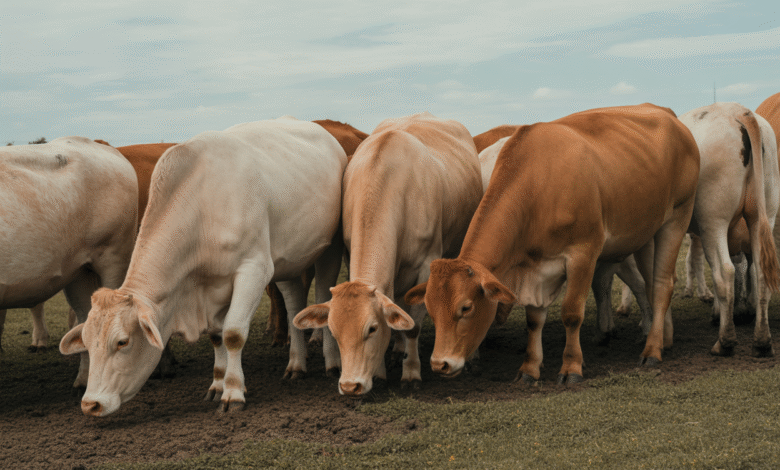
In the field, there is much talk about protein, minerals, NDT (Total Digestible Nutrients), and gross energy.
But we almost never discuss the element that truly determines herd performance: available energy.
Available energy is not what is stated on the label.
It's not what's in the forage.
And that's not what's calculated in the spreadsheet.
Available energy is what it actually reaches the metabolism and can be transformed into:
- grazing
- rumination
- displacement
- thermoregulation
- Immunity
- gain
It's the energy that the animal is actually able to use.
And this metric — silent, profound, and practical — is worth more than any traditional number.
1. Energy exists at three levels: gross, metabolizable, and available.
Gross energy (GE)
It is the total amount of energy present in the food.
It's theoretical, and practically useless for real-world analysis.
Metabolizable energy (ME)
It is the part that the animal is able to absorb after losses during digestion.
Available energy (ED)
That's what leftover after the body uses energy to:
- digest
- adjust
- to correct
- compensate
- maintain temperature
- dealing with impurities
- normalize metabolism
I.e:
Available energy = metabolizable energy – energy used to compensate for imbalances.
That's why two animals can eat the same food — and deliver completely different results.
2. The biggest energy thief is imbalance.
An animal expends energy when:
- The salt is not pure.
- The metabolism is unstable.
- rumination is not flowing.
- there is heat stress
- the water is not suitable
- The soil returns poor matter.
- behavior fluctuates
- Handling generates noise.
Each microcorrection costs energy.
And all the energy used to fix things isn't being used to produce anything.
The farm is losing performance. without realizing — not due to a lack of food, but due to a lack of available energy.
3. Protein doesn't solve the energy problem — and sometimes it makes it worse.
Protein is essential, but it alone cannot compensate for a lack of available energy.
Worse: excess protein increases the energy cost of metabolism, Because it demands more:
- water
- excretion
- filtration
- heat
- ruminal regulation
If the herd is expending energy to "burn excess protein," the available energy decreases even further.
That's why so many producers say:
“"My diet is good, but the cattle aren't producing enough."”
It pays off — he's just expending energy on something else.
4. Available energy is what defines behavior.
When an animal has enough energy available, it:
- graze more
- rests less
- ruminates better
- moves in a pattern
- maintains a stable temperature.
- expresses calm and functional behavior
- returns richer matter to the soil
When he doesn't have it, he:
- stay still
- alternates between moments of agitation
- has irregular rumination
- changes schedules
- consumes unpredictably
- loses synchronization with the batch
Behavior is the living expression of available energy.
5. The energy cycle depends on the purity of the base.
The system's foundation begins with salt.
When minerals are pure:
- there is less electrochemical noise
- cellular hydration improves
- absorption is more efficient.
- metabolism stabilizes
- the animal wastes less energy
- rumination flows
- the behavior becomes constant
When they are not:
- the body goes into compensation mode
- available energy drops
- The gains slow down.
- The soil receives poor matter.
- the pasture feels the return
The purity of the mineral determines the quality of the energy circulating in the system.
6. Available energy is also energy from the ground.
The soil also has its own available energy — measured by:
- microbial activity
- decomposition
- infiltration
- aggregation
- root depth
- pasture vigor
If metabolism returns rich matter, the soil operates with high available energy.
If poor-quality matter is returned, the soil operates at a deficit.
The energy of the herd and the energy of the soil are two sides of the same coin.
7. The herd with plenty of available energy wins before the spreadsheet.
More ED means:
- lower metabolic cost
- greater grazing efficiency
- best conversion
- more stable cycles
- fewer invisible losses
- consistency of behavior
- predictability in the outcome
That's why available energy matters more than protein or gross energy.
In the end, it doesn't matter how much food there is. he has.
What matters is how much the animal can use.
The future of livestock farming is not about increasing inputs —
it's increasing the available energy of the system.
 Portuguese
 English
 Arabic
 French
 Spanish