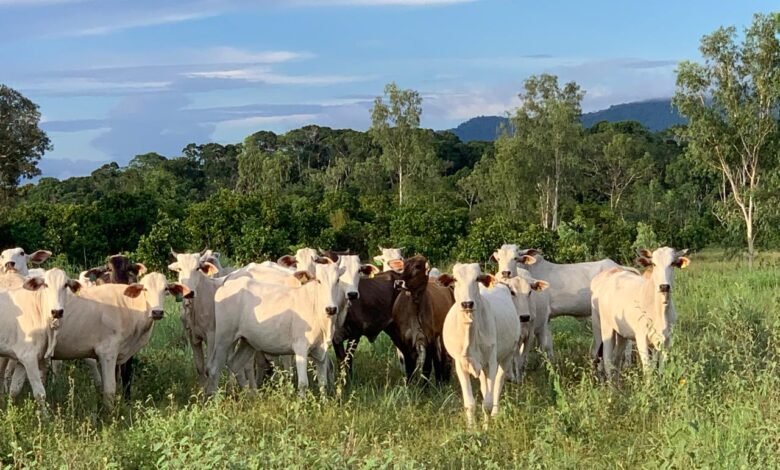
In the countryside, nothing happens in isolation.
Every choice, even the smallest, creates ripples that run throughout the entire production system — from the animal's metabolism to soil life, from pasture response to the farm's energy balance.
Livestock farming is a living cycle, and cycles are sensitive.
They record, accumulate, and return each decision.
The problem is that, because this process is slow, many producers only realize the impact when the cycle is already compromised.
Therefore, understanding the dynamics of the life cycle is understanding how Seemingly small decisions shape entire years of results..
1. Every cycle begins with a micro-decision.
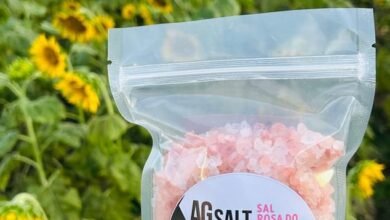
A type of salt.
A management adjustment.
A day with insufficient shade.
A shorter rest period for the pasture.
A group that grazed for one hour less.
A fluctuation in behavior.
Every micro-decision changes:
- the animal's energy expenditure
- the quality of the matter returned to the soil
- the response of the pasture
- recovery time
- the stability of the cycle
The system is never neutral.
He always reacts.
The difference is that this reaction is silent — but cumulative.
2. The life cycle works like clockwork.
Clocks are accurate because each component serves a specific purpose, and small variations create large deviations over time.
The field is the same.
- If the metabolism deviates slightly → the pasture feels it.
- If the pasture feels the effects, the soil slows down.
- If the ground slows down → the herd compensates
- If the herd compensates → energy expenditure increases
- If spending increases, performance varies.
- If performance varies, the cycle becomes unstable.
Instability is an accumulation, not an event.
3. When the cycle is consistent, the result appears.
Consistent cycles show clear signs:
- constant animals
- soil with fast response
- plants with visible vigor
- pasture recovering faster
- less pressure from corrections
- fewer surprises in the indicators
- metabolic and behavioral stability
Balance creates a self-reinforcing cycle.
What the farm provides returns to it in the form of energy, life, and constancy.
4. When the cycle breaks down, the system tries to compensate—and pays a high price for it.
Breaking the cycle doesn't start with one big problem.
It starts with small accumulated inconsistencies:
- low purity salt
- stressed grazing schedules
- Insufficient rest
- excessive overcrowding pressure
- hot water or water with impurities
- forage with low energy content
Taken in isolation, each dot seems small.
In the cycle, they are devastating.
The system attempts to compensate:
- Metabolism uses energy that it shouldn't.
- The soil receives poor matter.
- the plant loses strength
- the herd loses its standard.
- Performance drops weeks later.
No one notices the exact point at which the cycle broke — because the break is gradual.
5. The right question is not "what to do now," but "what did we do before?"“
Traditional livestock farming only reacts to the problem once it has already taken hold.
Livestock farming with a living cycle looks to the past:
- Where did the energy loss begin?
- What decision changed the behavior?
- At what point did the ground stop responding the same way?
- What management practice reduced the system's lifespan?
This retroactive reading allows for cycle correction. in the cause, not in effect.
6. Small decisions build long cycles.
When micro-decisions are coherent:
- The system produces net positive energy.
- The soil improves over time.
- the pasture gains resilience
- The herd gains stability.
- Management becomes simpler.
- Performance becomes predictable.
That's why farms with well-structured life cycles seem to "run on their own.".
It's not luck.
It's accumulated consistency.
7. Producers who understand cycles stop putting out fires.
He then goes on to:
- Observe before acting.
- Interpret before correcting.
- Plan before you adjust.
- Making small decisions that prevent big problems.
The life cycle is the most accurate way to understand the farm as a system.
And a farm that operates within this system is more efficient, more energy-efficient, more regenerative, and more resilient.


 Portuguese
 English
 Arabic
 French
 Spanish