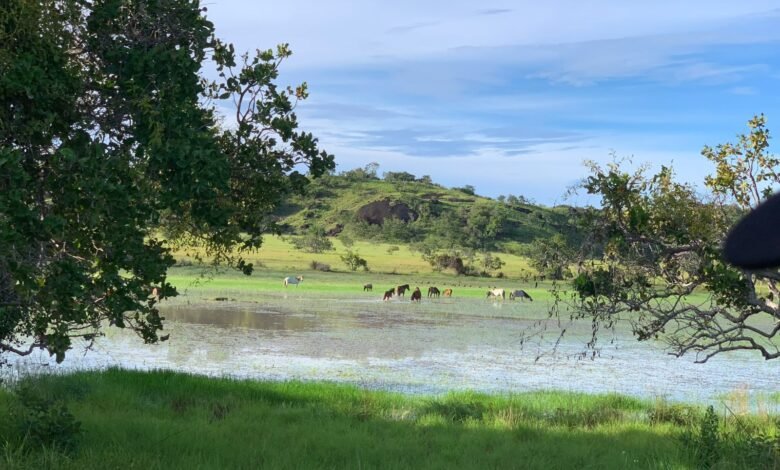
Productivity is an old metric.
She only looks at what comes out of the farm — arrobas, liters, tons.
But there is a much more powerful and still poorly understood metric: positive net energy.
It doesn't appear on the spreadsheet, it doesn't have a line in the management system, and it's not part of the traditional vocabulary of livestock farming.
But it is this that determines whether a system produces sustainably or merely survives by consuming itself.
Net energy is the balance:
how much the system returns minus how much it consumes to function..
And this is where the future of agriculture lies.
1. The production system is driven by energy — not by inputs.
Every farm is an energy system.
- The animal converts energy.
- The soil stores energy.
- the plant produces energy
- The climate distributes energy.
- Management organizes energy.
When each part works in harmony, the farm generates more energy than it consumes.
That's net positive energy.
When there is an imbalance, the entire system becomes a compensatory mechanism, spending more than it gives back.
It is precisely at this point that the "hidden costs" begin to appear.
2. The animal's metabolism is the first indicator.
Positive net energy begins within the animal.
A coherent metabolism:
- converts forage better
- It spends less energy on physiological adjustments.
- expresses stable behavior
- returns more functional matter to the soil
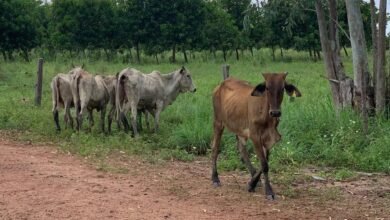
Incoherent metabolism does the opposite:
- wastes energy
- increases physiological stress
- creates variations in consumption
- returns poor quality waste to the soil
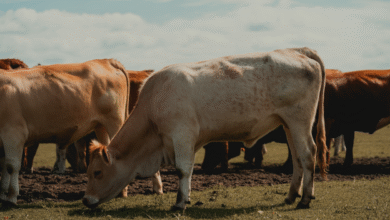
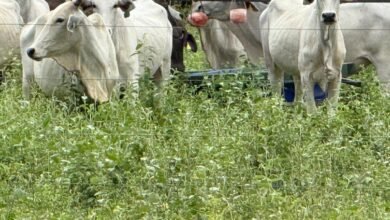
The herd operates like an energy machine — it immediately shows whether the system is gaining or losing energy.
3. Mineral purity directly influences the energy balance.
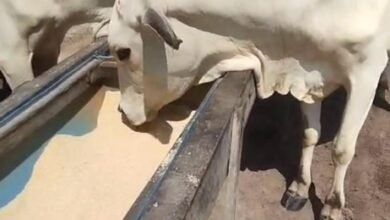
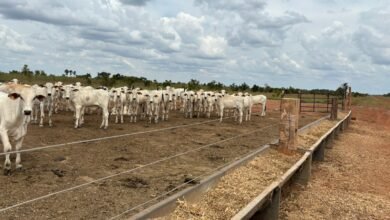
Mineral supplementation is one of the most underestimated decisions from an energy standpoint.
When the salt is pure:
- Less energy is spent on correcting the body.
- absorption is more efficient.
- the behavior is more consistent
- rumination flows
- cycling improves
When it is impure:
- the body enters a state of compensation
- Consumption fluctuates
- the metabolism "shuts down"“
- the soil receives incomplete matter
- The entire system loses energy.
The type of salt determines the type of energy the system will operate on.
4. Net positive energy appears first in the ground.
The soil is an extremely sensitive biological sensor.
When the system is gaining energy:
- microbial activity increases
- aggregation improves
- Water infiltration increases
- the roots go deeper
- decomposition accelerates
When the system is losing power:
- the soil becomes more compact
- responds less to rainfall
- It loses its color and the scent of life.
- retains fewer nutrients
- It needs more external corrections.
Living soil is soil with positive energy.
Tired soil is soil with negative energy.
5. Negative net energy is expensive — and doesn't show up on the income statement.
Energy losses are silent:
- behavioral fluctuations
- decline in grazing
- irregular rumination
- lower response from pasture
- increase in corrections
- more time to recover cycles
Each of them consumes energy from the system.
And the energy consumed is transformed into:
- more cost
- less predictability
- lower efficiency
- lower regenerative capacity
The problem is that none of this appears as "energy expenditure" in a spreadsheet.
That's why the producer thinks he's doing well — until he realizes the system is too cumbersome.
6. The path to net positive energy
The farm needs to produce more energy than it consumes.
This happens when:
- The management is consistent.
- The metabolism is stable.
- the soil is alive
- the supplementation is pure
- the cycles are continuous
- The system works in favor of, not against itself.
Net positive energy is, in practice, true sustainability — technical, economic and environmental.
7. The future of agriculture is not to produce more — it's to produce with a surplus.
Generating volume isn't enough.
It is necessary to generate energy balance.
Systems that generate more energy:
- They are more resilient.
- They depend less on external inputs.
- They have smaller invisible losses.
- maintain longer cycles
- They regenerate the soil naturally.
- They deliver consistency.
Positive net energy is the metric that agriculture needs to start measuring — even if indirectly.
Because it's what determines whether a farm is evolving or simply deteriorating.

 Portuguese
 English
 Arabic
 French
 Spanish